Encounter Tables: Roads, Camps, and Wilderness
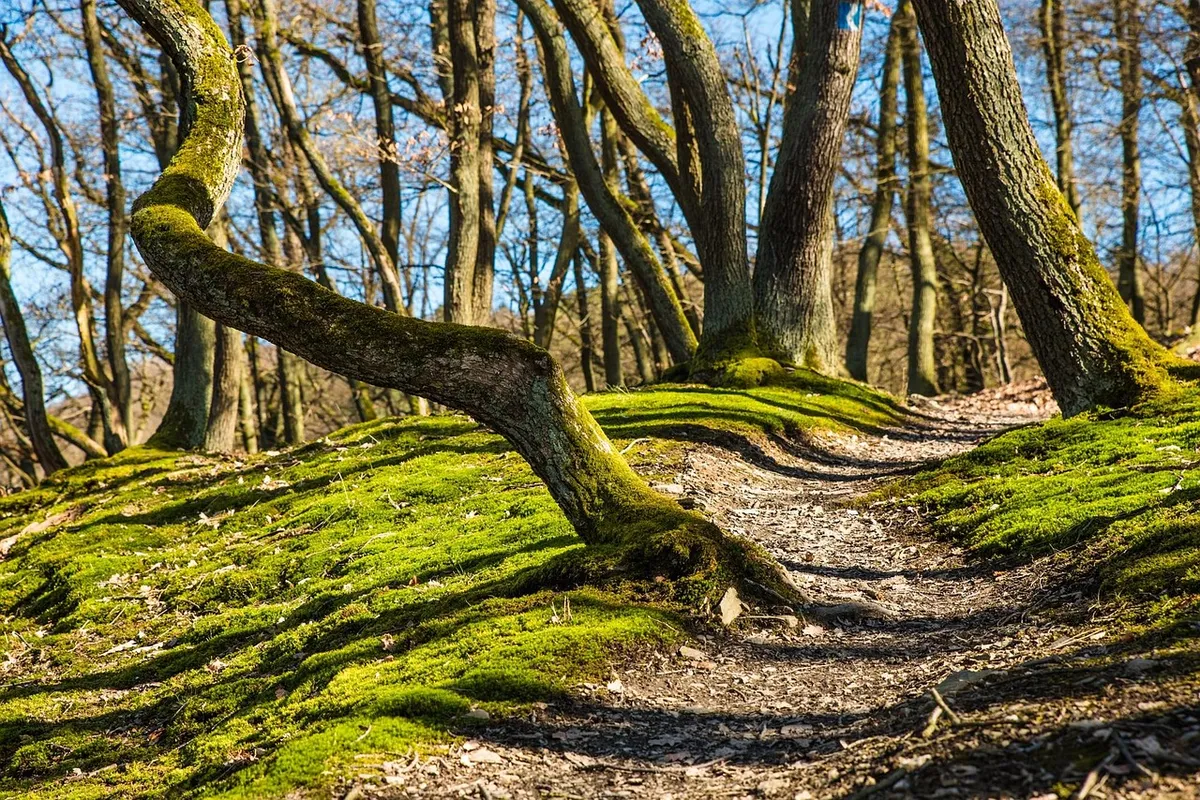 Photo credit: thomashendele
I've been running this West Marches game for a while now. I've posted about it before. One of the key elements of a game of this sort is a random encounter system. The one I'm using is ok but I'm going to outline a slight improvement.
The Current Method
Everything is based on the region hex. Each hex has a d12 random Creature List which contains potential threats. The list is basically unsorted since it's a flat 1d12 roll.
Every time the players enter a new 6km hex (this typically takes four hours) or spends an hour searching an area (I roll after the first hour, but it's four hour intervals after that) I roll on two lists: The Encounter Type list and the Encounter Creature list. Below I've included a fake example because I don't want to give anything away to my players reading this post:
Encounter Type
| Roll | Result |
|---|---|
| 1. | Creature, Group (1d6) |
| 2. | Creature, Alone |
| 3. | Creature, Fighting (roll again) |
| 4. | Tracks |
| 5. | Non-hostile critter |
| 6-8. | No encounter |
Creature
| 1. | Skeleton | 7. | Goblin |
| 2. | Bear | 8. | Slime |
| 3. | Wolf | 9. | Manticore |
| 4. | Bandit | 10. | Witch |
| 5. | Zombie | 11. | Dread Soldier |
| 6. | Beholder | 12. | Dragon |
What's this give us? 5/8ths of the results don't turn up anything to fight (which is fine, actually, and I won't change that in this design), and regardless of whether you're on a road or crashing through the brush or whatever, you're as likely to meet any of those things (which is... ok I guess).
What About Roads?
Disclaimer: this is actually not much of a problem. But it could be better, so why wouldn't I try?
A six-km hex is actually pretty huge, to the tune of 23 km2. That's a big area! That's like 6.5 Central Parks. I'm from Toronto, so the big park I'm used to is High Park. One hex on my map is 14.5x the size of it! It's huge! And my game is pretty densely forested for the most part. If you're looking for something in there and it isn't 500m tall, glowing, and making siren noises, it'll take you ages to find it.
Now let's imagine some bandits have set up a campsite in this area somewhere. Maybe they go hunting, or send out patrols. At any given time there's a decent chance that this hex will have wandering bandits on the loose. What are the odds we're going to bump into each other as my party of adventurers marches through? Pretty doggone slim. Unless we're both spending loads of time thoroughly searching the same area chances are we're never gonna bump into each other.
Not unless I'm following a path! As soon as I put my feet on an established road, my chances of encountering a bandit increase enormously. Bandits prey on travellers, and know that most of them would rather take a road than blunder through the bushes machete-first, so they will lurk there waiting for someone to come by. The Dread Knights use the road to get from their fortress over yonder to the spooky caves hither, so they, too, are far more frequently met on the road. Likewise with the Goblins who also visit Spooky Cave between raids on the Bandit Camp.
That all assumes that we're talking about a hex that has a bandit camp in it someplace. What about a hex that doesn't have any hidden settlements, but does have a road? Shouldn't that impact the odds a bit too?
Animals, of course, are equally likely to be encountered anywhere. The road does not deter them.
Design Goals
- Don't add more work to write up my random encounter tables
- Increase the odds of encountering humans (or other humanoids with an affinity for roads) while on roads
- Also increase the odds of running into other humans in the wilderness while you're in the same hex as their encampments, but don't make the odds too high.
The New System
Each hex has 12 possible creatures to encounter. The last entries on the table (up to four) are the humanoids conceivably encountered in the region, with the 12th being the most likely. The remaining spaces are animals, with the first spot being the most likely encountered.
Passing through the wilderness or spending time searching an unoccupied hex: Roll 2d12 and take the lowest.
Traveling a path in an unoccupied hex: Roll 1d12.
Travelling a path in an occupied hex or spending time searching an occupied hex: Roll 2d12 and take the highest.
This system is pretty simple but it skews the odds depending on the circumstances to make things feel more believable.